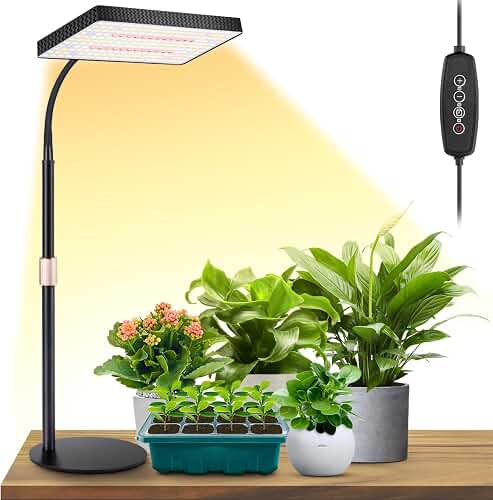
Why LED Grow Lights and Hydroponics Are a Match Made in Plant Heaven
Traditional gardening asks your plants to wait. Wait for the sun. Wait for the season. Wait for the soil to warm.
Hydroponics tears that rulebook in half. Add modern LED technology, and you've built something extraordinary: an indoor ecosystem where plants grow up to 50% faster than they ever could outdoors.
> "The combination of hydroponics and LED lighting represents the most efficient food production system humans have ever designed." > — Indoor Agriculture Research Insights
The Power of the Pairing
| Benefit | What It Means for You |
|---|---|
| Precision Control | Dial in every photon your plants absorb |
| Energy Efficiency | Slash electricity bills by up to 60% |
| Cooler Operation | Protect delicate roots from heat stress |
| Targeted Spectrums | Mimic perfect summer sun on demand |
| 50,000+ Hour Lifespan | Over a decade of reliable, glowing growth |
Your Indoor Garden Revolution Starts Right Here
Picture this: it's a snowy January morning. Outside, the world is frozen still. But in your kitchen, you're snipping sun-ripened cherry tomatoes, fragrant basil, and ruby-red strawberries — all grown three feet from your coffee maker.
No dirt under your fingernails. No pests chewing your leaves. No agonizing wait for spring to finally arrive.
Just pure, vibrant, soul-satisfying growth happening 365 days a year under the warm, humming glow of LED grow lights.
That's the quiet magic of pairing LED grow lights with hydroponics — and by the time you finish this guide, you'll have everything you need to unlock it.
> This guide is for you if: you've stared at a wall of confusing LED panels at the hardware store, watched a YouTube tutorial that left you with more questions than answers, or grown tired of seedlings that wither before they can thrive.
By the Numbers: Why Indoor Growers Are Switching
50% — Faster growth rates compared to traditional soil gardening 60% — Average reduction in energy costs vs. HID lighting 90% — Less water used than conventional farming 365 — Days per year you can harvest fresh produce 2 hrs — All the time you need to set up your first system
Key Takeaways Before You Begin
THE BIG PICTURE — REMEMBER THESE FIVE TRUTHS
- LED grow lights produce the exact wavelengths plants crave (mostly blue and red)
- Distance, duration, and intensity are your three magic dials — master them and you master indoor growing
- Most leafy greens thrive on 14–16 hours of light daily
- Fruiting plants demand more intense light and shorter cycles
- A proper setup takes about 2 hours — and the results last for years
See It in Action: A Visual Walkthrough
Sometimes a 90-second visual is worth a thousand bullet points. Watch this quick walkthrough to see exactly how an LED-powered hydroponic setup comes together from box to bloom.

Step 1: Choose Your LED Grow Light Like a Pro
Not all LEDs are created equal. Walking into this purchase blind is like buying a car without knowing if you need a sedan or a pickup truck — you'll either overspend or end up bitterly disappointed.
Here's how to skip the regret and buy with confidence.
The Three Tiers You'll Encounter
TIER ONE — ENTRY-LEVEL PANELS (under $100) Perfect for herbs, lettuce, and small leafy greens on a windowsill or shelf. Look for full-spectrum models drawing at least 100 actual watts. Ideal first investment for cautious beginners.
TIER TWO — MID-RANGE QUANTUM BOARDS ($150–$400) The sweet spot for serious home growers. Quantum boards distribute light evenly across your canopy — no scorching hot spots, no shadowy dead zones. This is where most growers eventually land.
TIER THREE — PROFESSIONAL-GRADE LIGHTS ($500+) Built for dense canopies, fruiting plants, and ambitious yields. Expect dimmers, adjustable spectrums, and the kind of build quality that survives years of nightly use.
EXPERT TIP — THE NUMBER THAT ACTUALLY MATTERS
> Ignore the inflated "equivalent wattage" marketing claims. They are designed to dazzle, not inform. The metric that genuinely measures plant-usable light is PPFD (Photosynthetic Photon Flux Density). > > Aim for 400–600 µmol for leafy greens. > Aim for 600–900 µmol for fruiting plants like tomatoes and peppers.
Step 2: Set Up Your Hydroponic System First
Before the lights come on, your plants need a home. Think of this as building the foundation before raising the roof.
The three most beginner-friendly systems:
DEEP WATER CULTURE (DWC) Roots dangle freely into oxygenated nutrient water. Simple, forgiving, and almost impossible to mess up. The perfect starter system for lettuce, basil, and herbs.
NUTRIENT FILM TECHNIQUE (NFT) A thin, continuous film of nutrients flows past plant roots in a sloped channel. Excellent for strawberries, leafy greens, and anything that loves consistent moisture.
EBB AND FLOW Floods and drains your grow bed on a timer, delivering oxygen and nutrients in perfect rhythm. Versatile enough for nearly any crop you can imagine.
THE FOUNDATION CHECKLIST
Before introducing a single plant:
- Fill your reservoir with pH-balanced water (5.5–6.5)
- Add hydroponic nutrients per the bottle's instructions
- Run the system overnight to confirm pumps, timers, and aerators work flawlessly
- Check pH and EC one final time the next morning
Step 3: Hang Your LED Lights at the Perfect Distance
This is where 80% of beginners go wrong — and where you're about to get it right.
Too close, and your leaves bleach a sickly white. Too far, and your plants stretch upward into spindly, pale shadows of themselves, desperately reaching for light that's just out of reach.
The Goldilocks Zone
| Plant Stage | Distance from Canopy | Light Hours per Day |
|---|---|---|
| Seedlings | 24–30 inches | 16–18 hours |
| Vegetative Growth | 18–24 inches | 14–16 hours |
| Flowering / Fruiting | 12–18 inches | 10–12 hours |
THE BACK-OF-HAND TEST
> Place the back of your hand at canopy level under your lights for 30 seconds. If it feels uncomfortably warm, your plants will feel the same. Raise the light an inch and test again. Your hand is the cheapest, most accurate stress meter you'll ever own.
Your Next Move
You now hold more practical knowledge about LED hydroponic setups than most people who walk into a grow store. The next harvest isn't a someday dream — it's a two-hour weekend project away.
Pick your system. Choose your light. Hang it at the right distance. Then sit back and watch what happens when modern science finally lets a plant grow the way it was always meant to.
Your year-round, dirt-free, frost-proof garden is waiting.
Key Takeaways
- Choosing the right how to set up LED grow lights for hydroponics means matching the key features to your specific needs and budget
- Read real customer reviews and check the return policy before you commit
- Also covers: LED grow light installation
- Also covers: hydroponic lighting setup
- Also covers: indoor grow light positioning
- Compare value across models — the priciest option is not always the best fit


