Why Spectrum Matters More Than Wattage (The Lesson Nobody Teaches You)
For decades, growers obsessed over a single number stamped on every bulb: WATTS.
More watts = bigger plants, right?
Dead wrong.
Consider this jaw-dropper: A 1000-watt incandescent bulb would barely keep a basil plant alive, while a precision-tuned 200-watt full-spectrum LED can produce show-stopping, flowering masterpieces that look like they belong in a magazine.
The difference isn't power. It's spectrum quality.
> THE BOTTOM LINE: Watts measure energy consumed. Spectrum measures energy delivered to the plant in usable form. They are NOT the same thing.
The Five Pillars of Spectrum Success
| Spectrum Range | Wavelength | What It Does for Your Plants |
|---|---|---|
| Ultraviolet (UV) | 280-400nm | Boosts potency, terpenes, and natural resilience |
| Blue | 400-500nm | Compact growth, thick stems, dense lush leaves |
| Green | 500-600nm | Penetrates deep into the canopy to fuel lower leaves |
| Red | 600-700nm | Triggers explosive flowering and fruit production |
| Far-Red | 700-780nm | The hidden weapon for massive yield multiplication |
The Hidden Language of Light Your Plants Are Desperately Trying to Tell You
Picture this scene: You've poured your heart (and several hundred dollars) into a premium hydroponic setup. Your nutrients? Laboratory-perfect. Your pH? Dialed in like a Swiss watch. Your reservoir temperature? Immaculate.
Yet when you peek into your grow tent each morning, your plants look... underwhelming. Stretched. Pale. Sad, even.
Sound painfully familiar?
Here's the uncomfortable truth: The culprit is almost always your light spectrum. Not your wattage. Not your nutrients. Not your green thumb (or lack thereof).
> "Light is the single most powerful lever in indoor growing. Master the spectrum, and you master the plant." > — The Hydroponic Pro's Mantra
Plants don't just need light. They need the right light, at the right wavelengths, at the right moments in their lifecycle. Once you decode this secret language, you'll unlock yields that make your gardening friends do a serious double-take.
Ready to become fluent in plant-speak? Let's dive in.
THE MIND-BLOWING STAT BOX: Numbers That Will Change How You Grow Forever
> PHOTOSYNTHESIS REALITY CHECK > Plants use only 45% of visible light for photosynthesis. The rest? Heat, reflection, and waste.
> YIELD UPGRADE > A quality full-spectrum LED can boost yields by up to 40% compared to traditional HPS lights.
> FLOWERING POWER > Red light at 660nm is approximately 9x more efficient at triggering flowering than yellow light.
> LIFESPAN CHAMPION > Premium LED grow lights last 50,000+ hours versus just 10,000 hours for traditional HID bulbs.
> ENERGY SAVINGS > Modern LEDs use 60% less electricity than HPS systems while producing equal or better results.
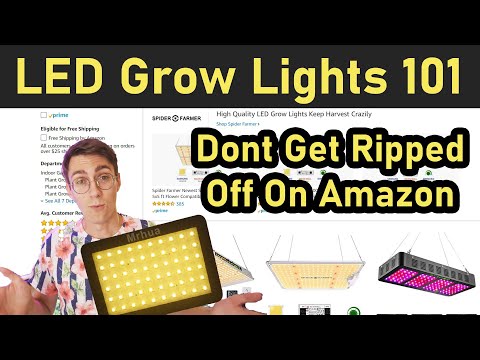
Watch: The Grow Light Spectrum Explained in Crystal Clear Detail
Sometimes seeing is believing. Before we dive deeper, get the visual breakdown that ties every concept together:

Blue Light: The Architect of Strong, Sturdy Plants (400-500nm)
Think of blue light as your plant's personal drill sergeant. It builds discipline, structure, muscle, and unshakable strength.
When seedlings receive an abundance of blue wavelengths, magic happens. They transform into the kind of plants you proudly photograph and post online.
What Blue Light Builds:
- Shorter, sturdier internodes — no more sad, leggy, weak-kneed stems
- Thicker, darker green leaves that look like they've been hitting the gym
- A robust root system that drinks nutrients with enthusiasm
- Compact, manageable shapes perfect for tents, closets, and small spaces
- Increased chlorophyll production for that photo-worthy emerald glow
Red Light: The Flowering Magician (600-700nm)
If blue light builds the house, red light fills it with gold.
Red wavelengths — especially the sweet spot around 660nm — flip a biological switch deep inside your plants. They whisper a powerful message:
"It's showtime. Bloom. Multiply. Produce abundantly."
The Four Superpowers of Red Light:
- Massive flower formation — bigger buds, more abundant fruits, denser harvests
- Faster blooming cycles — shave precious days off your harvest timeline
- Enhanced resin and oil production in your aromatic plants
- Stronger phytochrome response — the master regulator behind every plant decision
The Forgotten Heroes: Green, Far-Red, and UV
Green Light: The Deep-Diving Underdog
For years, growers casually dismissed green light as "useless" — the lazy cousin of the spectrum family.
Modern photobiology has completely flipped that script.
Green wavelengths penetrate deeper into the canopy than any other color in the visible spectrum. They reach lower leaves that blue and red light simply bounce off, ensuring that your entire plant photosynthesizes — not just the lucky sunbathing leaves on top.
The Verdict: Green isn't filler. It's a yield enabler quietly working behind the scenes.
Far-Red: The Yield Multiplier Nobody Talks About
Meet the Emerson Effect — one of the most underappreciated discoveries in plant science.
When far-red light (700-780nm) is combined with standard red light, they create synergistic photosynthesis rates that neither wavelength can achieve alone. It's the photosynthesis equivalent of two superheroes teaming up.
> TRANSLATION FOR YOUR HARVEST: Adding far-red to your spectrum can boost yields by 20-30%. That's not a typo. That's free flower production hiding in plain sight.
UV Light: The Potency Booster
A controlled, careful dose of UV-A and UV-B during late flowering acts like a stress-induced supercharger for your plants.
What UV delivers when used wisely:
- Dramatically increased essential oils and aromatic compound production
- Boosted terpene profiles for richer flavors and bolder aromas
- Enhanced trichome density in flowering plants
- Stronger natural pest resistance through plant immune response
- Deeper coloration in pigmented varieties
Your Spectrum Game Plan: A Stage-by-Stage Cheat Sheet
| Growth Stage | Ideal Spectrum | Color Temperature | Primary Goal |
|---|---|---|---|
| Seedling | Mostly blue, some red | 6500K | Strong roots, compact growth |
| Vegetative | Blue-dominant, full spectrum | 5000K-6500K | Bushy, healthy frame |
| Early Flower | Balanced blue + red | 4000K | Transition and structure |
| Late Flower | Red-dominant + far-red + UV | 2700K-3500K | Maximum yield and potency |
| Final Ripening | Red, far-red, UV | 2700K | Resin, aroma, finish |
KEY TAKEAWAYS: Lock These Truths Into Memory
> TRUTH #1: Spectrum quality beats raw wattage every single time. Stop chasing watts and start chasing wavelengths.
> TRUTH #2: Blue light builds the plant. Red light fills the plant. You need both — at different times.
> TRUTH #3: Green and far-red aren't optional extras. They're the difference between good harvests and legendary ones.
> TRUTH #4: Tuning your spectrum to growth stage is the single biggest hack underused by hobby growers.
> TRUTH #5: A modest full-spectrum LED can outperform a powerful HPS. Trust the science, not the marketing.
The Final Word: Become the Grower Your Plants Deserve
Understanding grow light spectrum isn't just academic knowledge — it's the single most actionable lever you can pull to transform mediocre harvests into breathtaking ones.
Your plants have been trying to tell you what they need this entire time. Now, finally, you speak their language.
Dial in your spectrum. Watch your plants thrive. And get ready for harvests that change everything.
Your plants are waiting. The light is calling. Time to grow like a pro.
Key Takeaways
- Choosing the right grow light spectrum for hydroponics means matching the key features to your specific needs and budget
- Read real customer reviews and check the return policy before you commit
- Also covers: full spectrum LED grow lights
- Also covers: PAR vs PPFD
- Also covers: best light spectrum for plants
- Compare value across models — the priciest option is not always the best fit