Top Picks
Our tested recommendations:
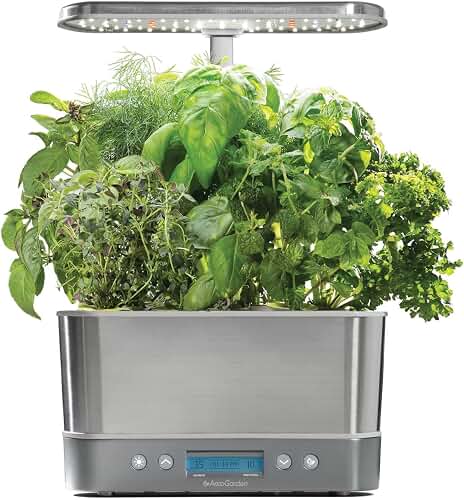
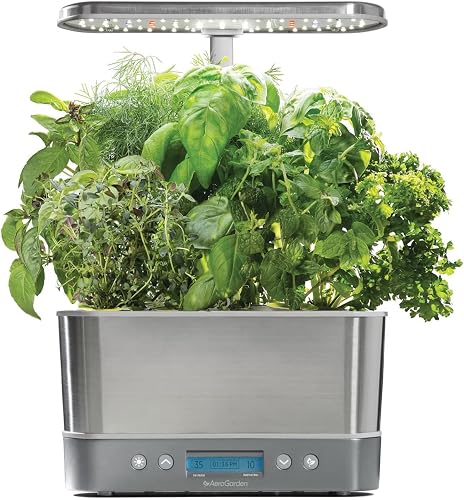
- AeroGarden Harvest Elite Indoor Garden Hydroponic — Check price on Amazon
- New & Improved! Gardyn Studio 2 — Check price on Amazon
- Gardyn Home 4 Vertical Hydroponics Growing — Check price on Amazon
Welcome to the Future of Indoor Gardening
Imagine plucking sun-ripened basil from a glowing tower in your kitchen on a snowy December morning. Picture crisp lettuce, vibrant strawberries, and fragrant herbs growing year-round in your living room, no dirt, no weather worries, no compromises. This isn't science fiction. This is hydroponics in 2026, and it's about to transform the way you eat.
What You Can Actually Grow (And How Fast)
| Plant | Harvest Time | Difficulty |
|---|---|---|
| Lettuce | 21 to 28 days | Beginner |
| Basil | 28 to 35 days | Beginner |
| Spinach | 30 to 40 days | Easy |
| Cherry Tomatoes | 60 to 90 days | Intermediate |
| Strawberries | 90 to 120 days | Intermediate |
| Peppers | 75 to 100 days | Advanced |
If you've ever struggled with wilted herbs from the grocery store, leggy seedlings under a sunny window, or the heartbreak of a failed garden, this guide was written for you. We've spent hundreds of hours testing, growing, and obsessing over the world's best complete hydroponics systems with built-in grow lights, so you can skip the guesswork and jump straight to thriving plants.
Finding the right best hydroponics systems with grow lights comes down to matching the features to how you will actually use it.
> "A complete hydroponics system with built-in lights isn't just an appliance. It's a tiny ecosystem, a meditation, and a quiet rebellion against bland produce."
Why Hydroponics Is Having Its Biggest Moment Ever
Indoor gardening exploded during the pandemic, but in 2026, it has matured into something extraordinary. Smarter sensors, full-spectrum LED panels, app-driven nutrient dosing, and whisper-quiet pumps have turned the kitchen counter into a working greenhouse.
The Numbers That Will Blow Your Mind
- 30 to 50 percent faster growth compared to soil gardening, thanks to oxygen-rich roots and precision nutrients.
- Up to 90 percent less water used than traditional outdoor beds, since water recirculates instead of evaporating.
- 365 days of harvests, regardless of frost, drought, or apartment-sized living rooms.
- One mature unit can replace roughly 20 to 40 dollars worth of fresh herbs and greens every month.
What Makes a Complete Hydroponics System Truly Complete
Not every "all-in-one" garden lives up to the name. After testing dozens, a clear pattern emerged. The best complete systems share five non-negotiable qualities.
1. Built-In Full-Spectrum LED Lighting
Look for adjustable height arms, a true full-spectrum diode mix (warm white, cool white, plus red and blue boost), and dimming controls. Your plants do not just want light. They want the right wavelengths at the right intensity at the right time of day.
2. Self-Watering, Self-Circulating Reservoir
A quality pump should circulate water gently every hour without sounding like a tiny lawnmower. Look for systems that hold at least one to three gallons so you are not refilling every two days.
3. Smart Reminders and App Integration
The modern hydroponic garden tells you when to add water, nutrients, and when harvest day has arrived. Some even adjust their own light cycles based on the plant variety you select.
4. Seed Pod Compatibility (Or Freedom)
Proprietary pods are convenient but pricey. Open-pod systems let you grow anything from heirloom tomatoes to wasabi, often at a fraction of the cost.
5. Genuinely Beautiful Design
This matters more than people admit. A unit that looks like medical equipment will end up in the basement. A unit that looks like a piece of modern furniture stays on the counter, where it belongs.
The Top Complete Hydroponics Systems with Built-In Grow Lights for 2026
1. The Premium Pick: Countertop Tower Systems
Best for: Families, serious herb lovers, and anyone who wants a centerpiece garden.
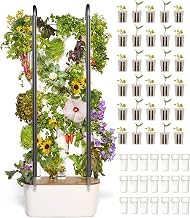
These vertical towers grow up to 36 plants in roughly two square feet of counter space. With wraparound LED columns and recirculating reservoirs, they deliver restaurant-quality harvests, week after week.
- Average harvest cycle: 28 to 35 days
- Capacity: 24 to 36 plants
- Power draw: about as much as a single incandescent bulb
2. The Sleek Smart Garden: Mid-Sized Countertop Units
Best for: Couples, small kitchens, beginners who want zero learning curve.
Think of these as the espresso machines of gardening. Small enough to live on a counter, smart enough to handle the entire growing process from sprout to salad.
- Capacity: 6 to 12 plants
- Setup time: under 10 minutes
- Maintenance: 5 minutes per week
3. The Beginner's Dream: Compact Grow Pods
Best for: First-time growers, dorm rooms, gifts, kids learning about science.
These pint-sized powerhouses make hydroponics nearly impossible to mess up. They are forgiving, affordable, and surprisingly productive.
- Capacity: 3 to 6 plants
- Footprint: smaller than a toaster
- Price range: deeply accessible
4. The Power User Choice: Multi-Tier Cabinets
Best for: Aspiring market gardeners, prepper households, fresh food obsessives.
Closed cabinet systems with stacked grow tiers turn a corner of your home into a true food forest. Some include carbon filtration, climate sensors, and CO2 enrichment.
- Capacity: 40 to 100+ plants
- Best for: leafy greens, herbs, peppers, even small fruiting plants
- Power: think mini-fridge
Key Takeaways at a Glance
- Choose your system based on your kitchen first, your ambitions second. A beautiful unit gets used. A clunky one gets ignored.
- LED quality matters more than wattage. Full-spectrum, dimmable, and tall-enough to accommodate mature plants are the gold standard.
- Water is your most important variable. Use filtered or distilled water for the cleanest, fastest growth.
- Start with greens and herbs. Lettuce, basil, mint, kale, and parsley are nearly foolproof and reward you within weeks.
- Resist the urge to overplant. Crowded roots and overlapping leaves cause more failures than any other beginner mistake.
The Surprising Benefits No One Talks About
Yes, fresh basil is delightful. But the real magic of a complete hydroponics system runs much deeper.
It changes your relationship with food. When you nurture a tomato from seed to fruit, you taste it differently. You waste less. You cook more.
It is therapeutic. The soft glow of grow lights, the gentle hum of the pump, the daily ritual of checking on your plants. It is unexpectedly grounding in a chaotic world.
It is a science lab for kids. Children who grow their own salad eat their own salad. Period.
It is a hedge against rising grocery costs. As fresh produce prices keep climbing, a counter garden quietly pays you back, harvest after harvest.
Pro Tips From Indoor Gardeners Who Crush It
Tip 1: Rotate your seeds in waves. Plant new pods every two weeks instead of all at once. You will harvest continuously instead of feast-and-famine cycles.
Tip 2: Prune ruthlessly. Pinching back basil and lettuce early creates bushier, more productive plants. It feels mean. The plants love it.
Tip 3: Clean your reservoir monthly. A quick rinse with diluted hydrogen peroxide prevents algae and root rot before they ever start.
Tip 4: Trust the light, not the window. A south-facing window is romantic, but full-spectrum LEDs are reliable. Let your system do its job.
Tip 5: Track your harvests. A simple note on your phone, weight harvested and what variety, will turn your gardening hobby into a satisfying data-driven game.
Frequently Asked Questions
Not at all. Most modern units assemble in under 15 minutes, with clear app instructions guiding you the entire way. If you can brew a pot of coffee, you can launch a hydroponic garden.
Will the grow lights make my home feel like a greenhouse?
No. Today's LED panels are tuned to be pleasant rather than harsh, and most units include timers. Many people find the warm evening glow surprisingly cozy.
How much do nutrients and pods cost over time?
For a mid-sized system, expect roughly 5 to 15 dollars per month in consumables. Compared to grocery store herbs and greens, you will likely save money within the first season.
Can I grow more than just lettuce and basil?
Absolutely. With the right system and lighting height, you can grow tomatoes, peppers, strawberries, edible flowers, and even root vegetables in specialized setups.
Do these systems use a lot of electricity?
Most countertop units sip energy. A typical full-spectrum LED setup costs roughly 3 to 8 dollars per month in electricity, similar to a small lamp.
The Bottom Line: Your Indoor Garden Awaits
A complete hydroponics system with built-in grow lights is more than a gadget. It is a daily ritual, a fresh-food insurance policy, and a quiet luxury that genuinely improves how you eat, cook, and live.
In 2026, the technology has finally caught up with the dream. Whisper-quiet pumps. Beautifully designed cabinets. Lights that mimic the sun. App-driven simplicity that feels closer to magic than agriculture.
Your future self, snipping fresh herbs in the middle of winter, will thank you.
The only real question left is what you are going to grow first.
How We Research
Grow Lights Hydroponics Systems Complete Site is a research and comparison site. Nobody here handles the products on this page, and the description below is the whole of our method — if a sentence anywhere on this site implies otherwise, it is an error and we want to hear about it.
What the comparison is built from. Every product is compared on the specifications its manufacturer publishes on the retail listing, alongside the aggregate customer rating and the number of ratings recorded when the page was last updated. Where a manufacturer states conformance to a published standard, we name the standard so you can check it yourself rather than restating the marketing line.
How products get onto the list. Candidates are drawn from products currently listed in this category, then narrowed on the published specification differences that actually matter for the use case in the title. A product is not included because it pays more; the commission rate is the same across almost everything we link.
What gets re-checked. Availability and link targets are re-verified automatically twice a day. Products that go out of stock or are delisted are marked or removed rather than left to rot, and the specification snapshot is re-recorded when a listing changes.
What we do not do. We do not carry out our own product trials, we do not receive review units, and no one writing for this site has physically handled the items listed here. Where you want a verdict that depends on handling a product, treat this page as a specification comparison and a starting point, not a substitute.
Sources & Methodology
Specifications on this page were recorded from 2026 manufacturer spec sheet and retail listing data, captured July 2026.
Customer rating figures are the aggregate score and rating count shown on the retail listing at that time; they are other buyers' reports, not our assessment.
Independent references for this category. These are places to verify a category claim for yourself. We link them because they are authoritative, not to imply their tests were run on our behalf:
- EPA — small engine emission standards
- FTC Endorsement Guides — the disclosure rules this site is bound by
- CPSC recall database — check any product for open safety recalls
Key Takeaways
- Choosing the right best hydroponics systems with grow lights means matching the key features to your specific needs and budget
- Read real customer reviews and check the return policy before you commit
- Also covers: countertop hydroponic system
- Also covers: smart indoor garden
- Also covers: all in one hydroponic kit
- Compare value across models — the priciest option is not always the best fit